
A locality in the municipality of Rosario
El Rosario
The seat of the municipality of Rosario, a former mining town with a founding tradition dating to 1655. It produced gold and silver for nearly three centuries; a Pueblo Mágico since 2012 and the birthplace of singer Lola Beltrán and poet Gilberto Owen.
Image: Prlosana · Wikimedia Commons · CC BY-SA 3.0 / GFDL 1.2+
Key facts
- Municipality
- Rosario
- Population
- 17,097 · 2020
- Occupied dwellings
- 4,736 · 2020
- Settlement type (INEGI)
- Urban
- Elevation
- 30 m
- INEGI code
- 250140001
Overview
El Rosario sits in southern Sinaloa, over ground worked by nearly three centuries of gold and silver mining. It keeps a colonial historic center with buildings from the seventeenth through nineteenth centuries.
It has been a Pueblo Mágico since 2012 and is home to a mining museum and the Museo Lola Beltrán, dedicated to the singer born in this town.
History
El Rosario's founding tradition places the discovery of a silver vein that gave rise to the mining settlement in 1655; per a local legend, the name of the vein —and of the town— comes from a rosary its discoverer left as a marker at the discovery site. For close to 290 years, the Tajo mine produced gold and silver, and by 1780 El Rosario was one of the most prosperous towns in northwestern New Spain.
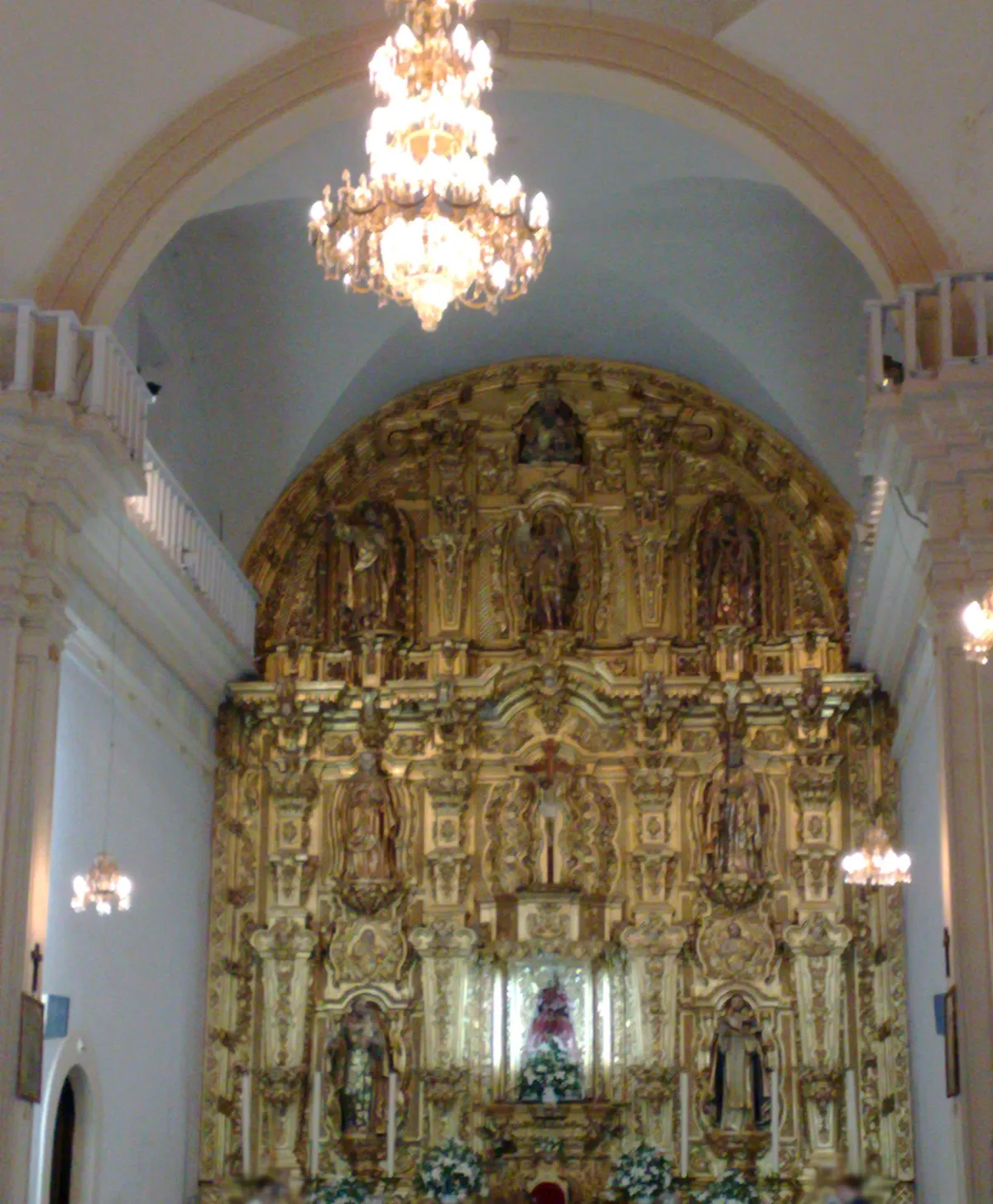
The eighteenth-century Baroque temple of Nuestra Señora del Rosario suffered structural damage from a mining vein beneath its foundations and was moved stone by stone to its current location, on Calle Benito Juárez, in 1922.
In 2012 the federal Secretaría de Turismo incorporated El Rosario into the Pueblos Mágicos program.
The town is the birthplace of singer María Lucila Beltrán Ruiz, known as Lola Beltrán, and of poet Gilberto Owen Estrada, a member of the Los Contemporáneos literary group.
Location and geography
Related topics
- Colonial history
- Tourism
- Music
- Literature
Sources and data
The figures on this page come from public sources. Each data point shows its year and origin.
- De forma coordinada, el INAH trabaja en la conservación de "La Ruina", en El Rosario, Sinaloa — Instituto Nacional de Antropología e Historia (INAH)
- Pueblo Mágico — H. Ayuntamiento de El Rosario — Gobierno Municipal de El Rosario
- Lola Beltrán — Artistas México — Secretaría de Cultura
- Gilberto Owen, el poeta místico del grupo de los Contemporáneos — Gobierno de México
- Censo de Población y Vivienda 2020 — Principales resultados por localidad (ITER), Sinaloa — Instituto Nacional de Estadística y Geografía