
Culture and traditions
Culture and traditions of Sinaloa
Sinaloa.com brings together documented stories, people and places that help explain the state's cultural life: its festivals, its music, its voices, and the sites where that cultural life has taken place.
This selection grows as new subjects are researched and documented — it does not claim to be a complete or definitive account of Sinaloan culture.
Stories and traditions
Researched narratives about the state's festivals, musical genres and living traditions.
 History
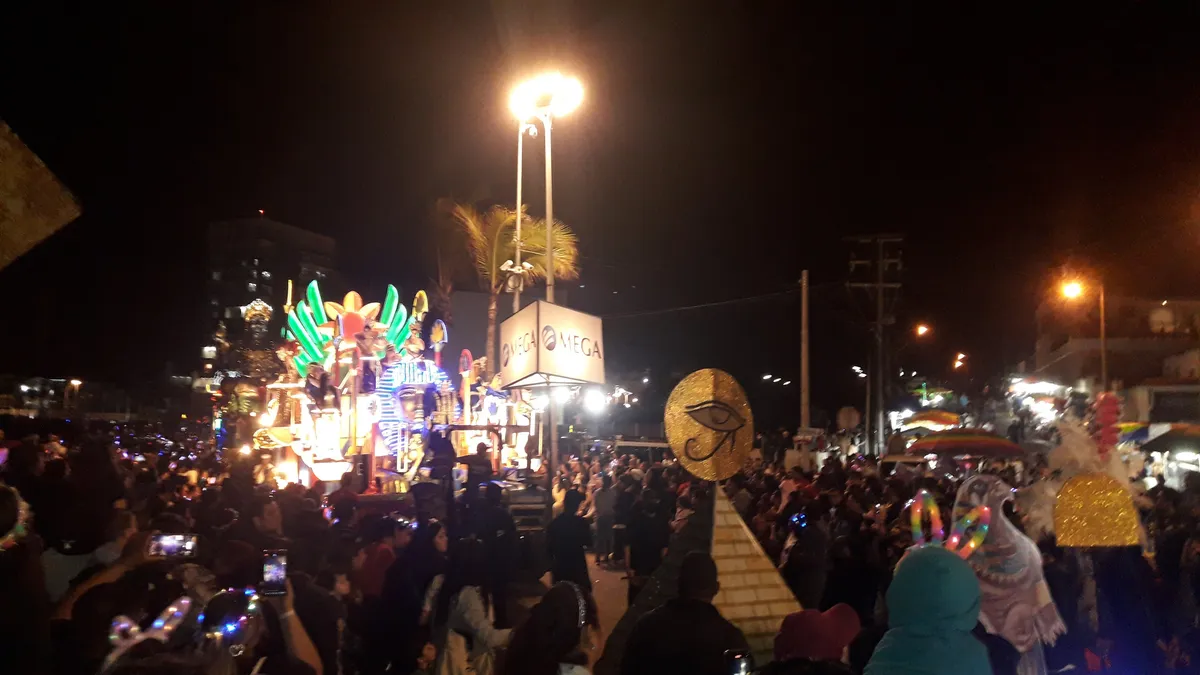
The Carnival of Mazatlán: over a century of history
From a soldiers' protest that turned into a celebration in 1827 to the committee that first organized it in 1898, the Carnival of Mazatlán is, according to Mexico's Secretaría de Cultura, the oldest formally organized carnival in the country.
 History
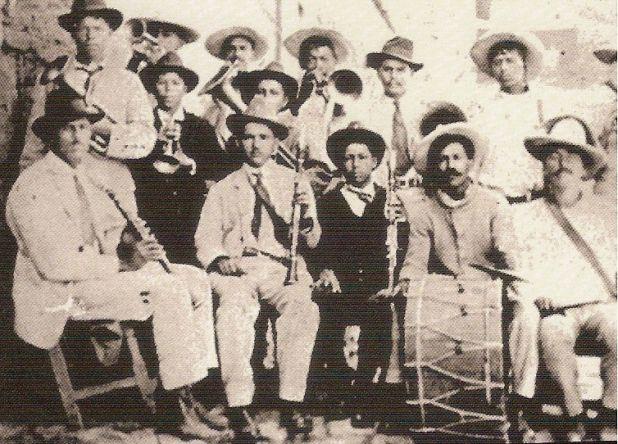
Banda sinaloense: a wind-band musical tradition
Wind-band music with documented roots in rural nineteenth-century Sinaloa, which a century later became, in the United States, an unprecedented commercial phenomenon.
- History
The deer and pascola dances among the Yoremes of Sinaloa
Among the yoremem — the Mayo people of northern Sinaloa — music and dance are not entertainment set apart from ceremonial life: they still accompany, today, the religious fiestas that mark the year.
Voices and figures
People from Sinaloa whose musical or literary work is part of the state's cultural life.
Pedro Infante
Musician · Artist
Sinaloan singer and actor, an icon of the Golden Age of Mexican cinema. Born in Mazatlán in 1917 and raised in Guamúchil, where he joined his first orchestra.
Lola Beltrán
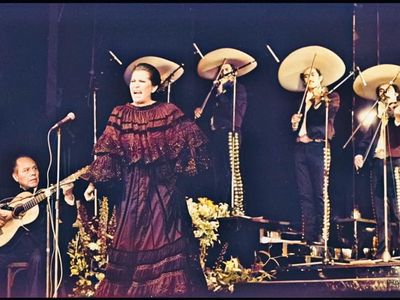
Musician · Artist
Sinaloan singer and actress, one of the most important voices in Mexican ranchera music. Born in El Rosario in 1932, she was the first ranchera singer to perform at the Palacio de Bellas Artes.
Gilberto Owen
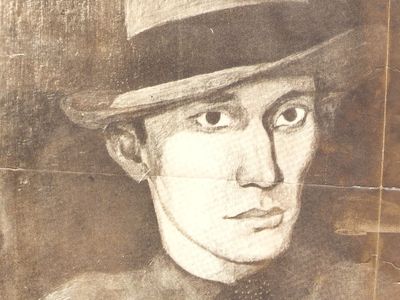
Writer
Sinaloan poet and diplomat, a member of the Los Contemporáneos literary group. Born in El Rosario in 1904, he is regarded as one of the most distinctive voices of the twentieth-century Mexican literary vanguard.
Amparo Ochoa
Musician
Sinaloan singer-songwriter and rural schoolteacher, a central figure of Latin American Nueva Canción. Born in Costa Rica, in the municipality of Culiacán, in 1946.
Cultural places
Sites where that cultural life has documentably taken place, within each municipality.
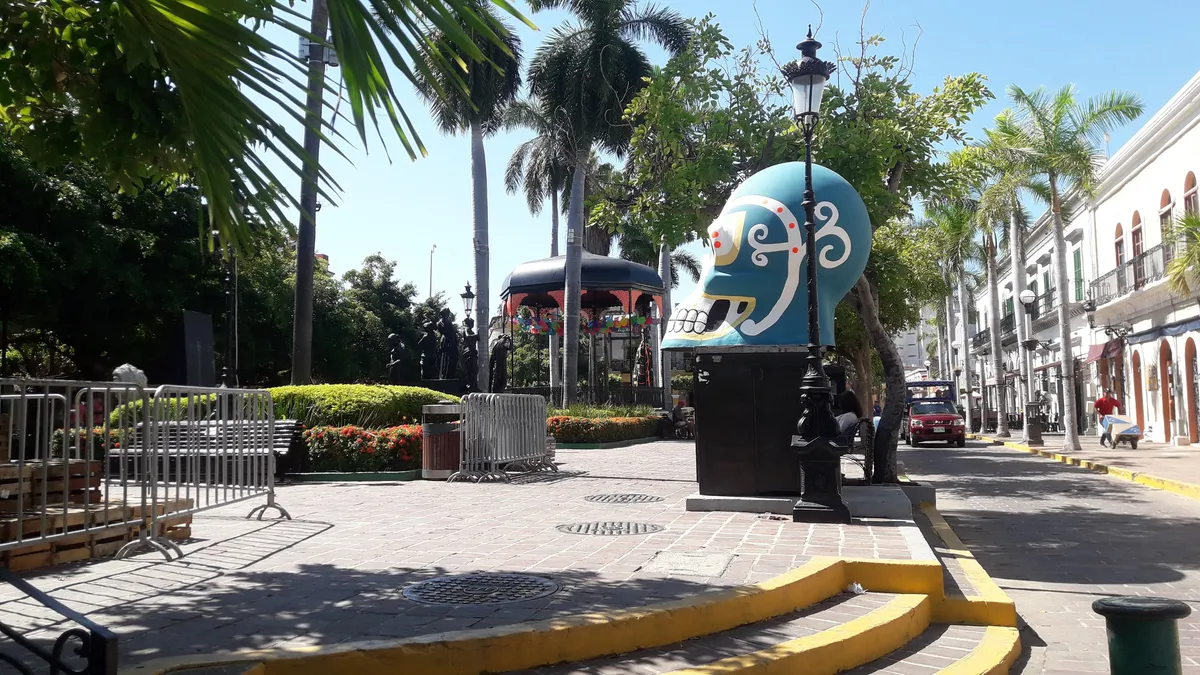
Plazuela Machado
Plaza · Mazatlán
A historic plaza in Mazatlán’s Centro Histórico, opened in 1837 by the merchant Juan Nepomuceno Machado. The oldest in the city; today it is surrounded by restaurants and cafés and was the original home of the Mazatlán Carnival.
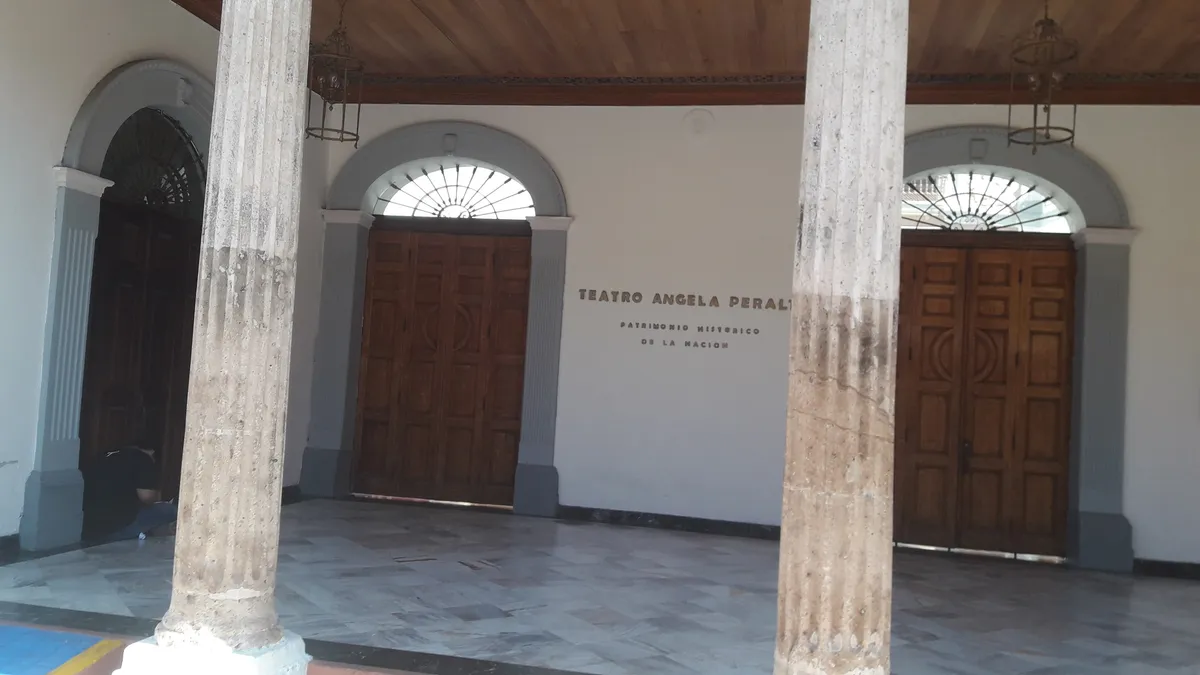
Teatro Ángela Peralta
Historic building · Mazatlán
A historic theater in Mazatlán's Centro Histórico, opened in 1874 as Teatro Rubio and declared a National Historical Monument in 1990. Restored between 1987 and 1992, it is now named for the soprano Ángela Peralta, who died in Mazatlán in 1883 before she could perform there.
Food and cultural traditions
Sinaloan cooking is a documented tradition in its own right, with its own dedicated section.
Dishes like chilorio and aguachile document a culinary tradition of their own, with their origin, preparation and sources.
Explore the gastronomy of Sinaloa