
Places in Sinaloa
The state's named beaches, plazas, bays, hills and other sites, documented one by one.
6 documented places
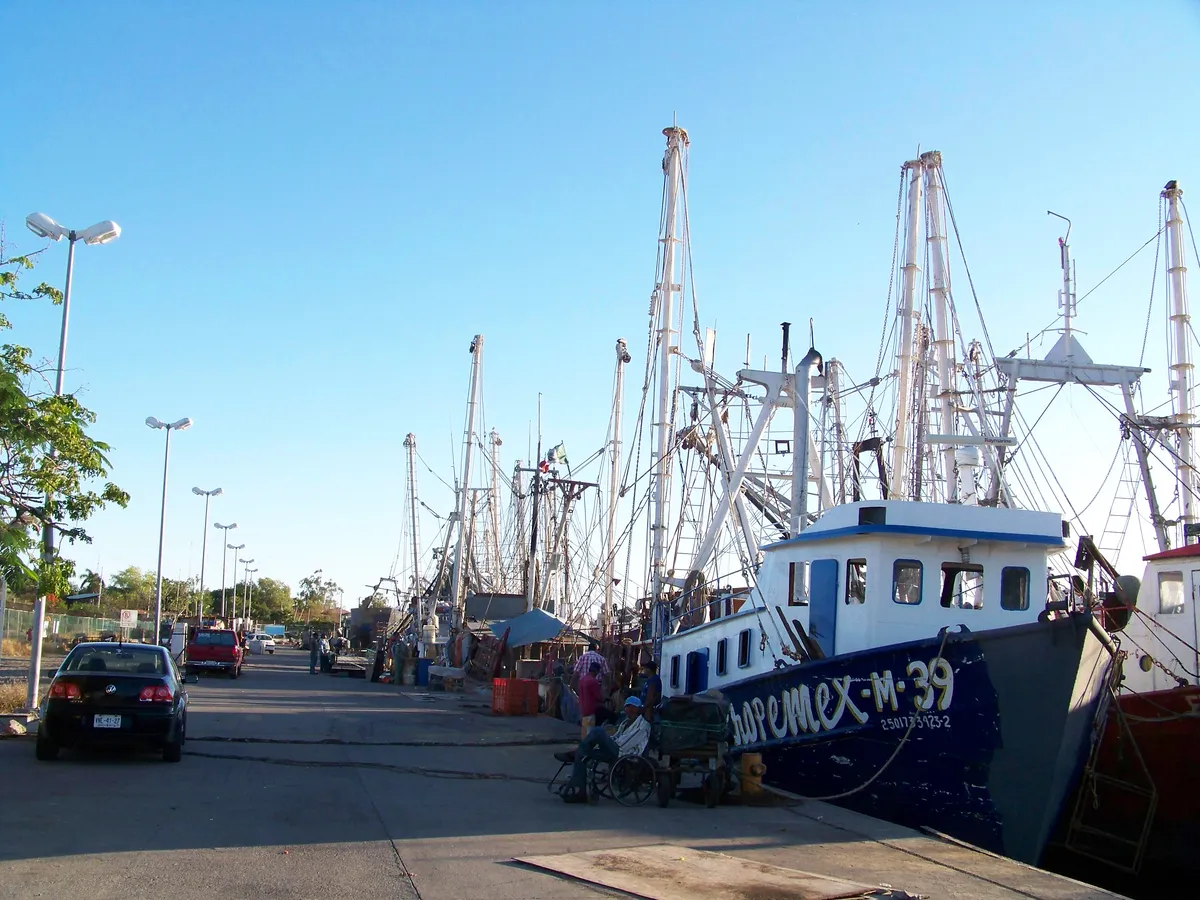
Bahía de Topolobampo
A sheltered bay on the north coast of Sinaloa, in the municipality of Ahome, forming a roughly 225 km² system together with the Ohuira and Santa María bays. It holds one of the state’s deep-water ports, next to the port locality of Topolobampo.
Ahome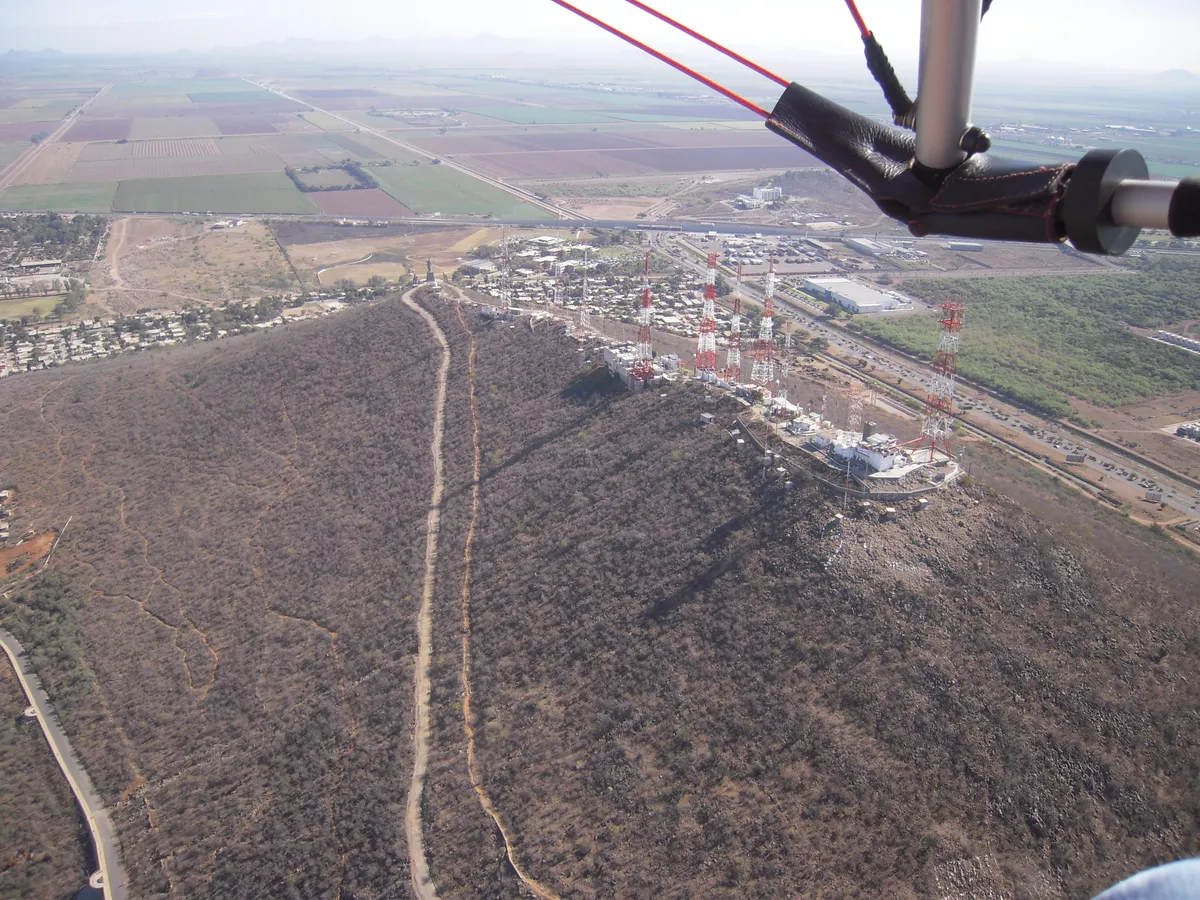
Cerro de la Memoria
An emblematic hill in Los Mochis, municipality of Ahome, used as a burial ground by the valley’s first foreign colonists in the late nineteenth century — hence its name, from the English "Memorial Hill". Today it is a lookout with a historic lighthouse and a statue of the Virgin on its summit.
Ahome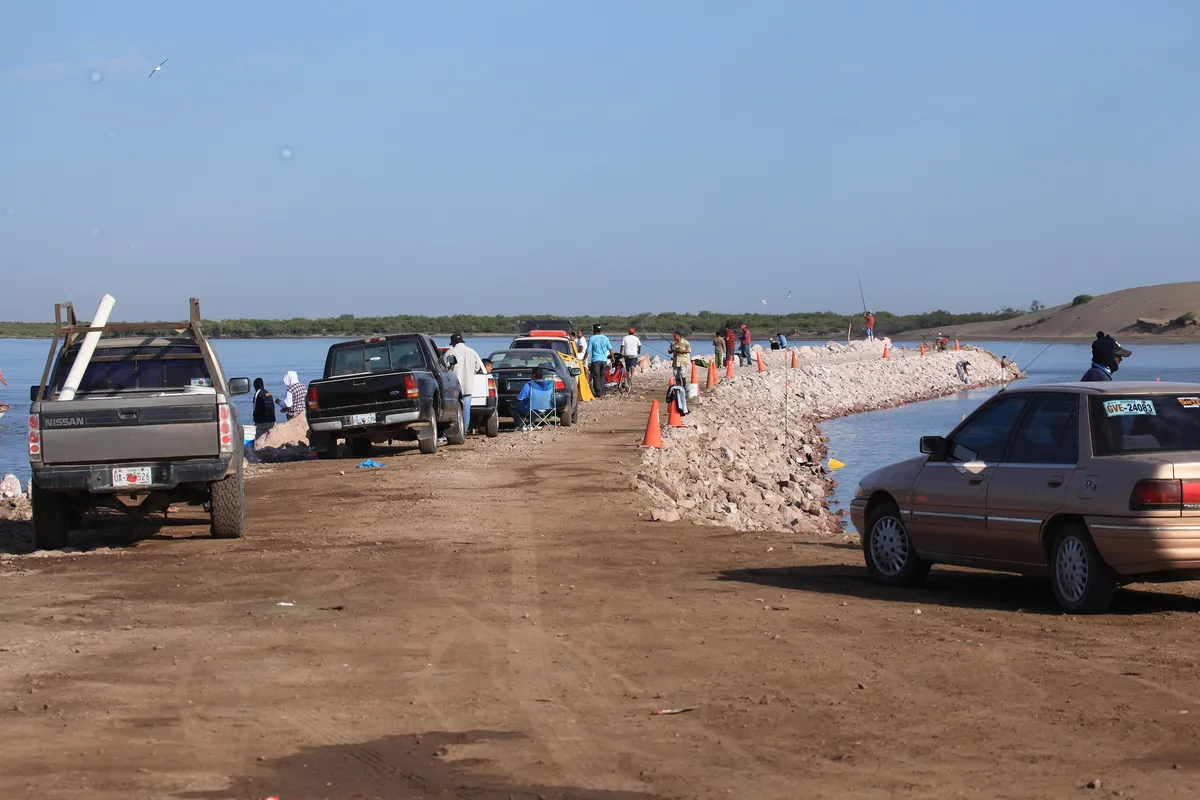
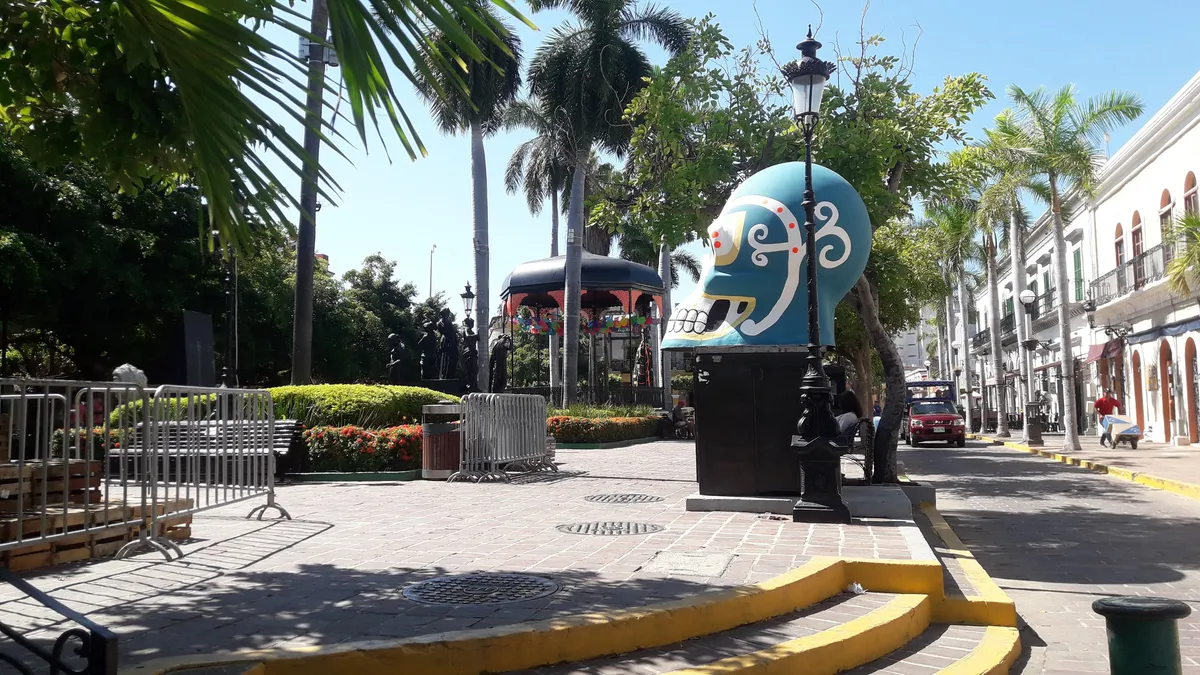
Plazuela Machado
A historic plaza in Mazatlán’s Centro Histórico, opened in 1837 by the merchant Juan Nepomuceno Machado. The oldest in the city; today it is surrounded by restaurants and cafés and was the original home of the Mazatlán Carnival.
MazatlánSistema Lagunar San Ignacio-Navachiste-Macapule
A coastal mangrove wetland on the Guasave coast, formed by the San Ignacio, Navachiste and Macapule bays, designated a Ramsar site in 2008. The barrier that separates it from the Gulf of California holds the beach and locality of Las Glorias.
Guasave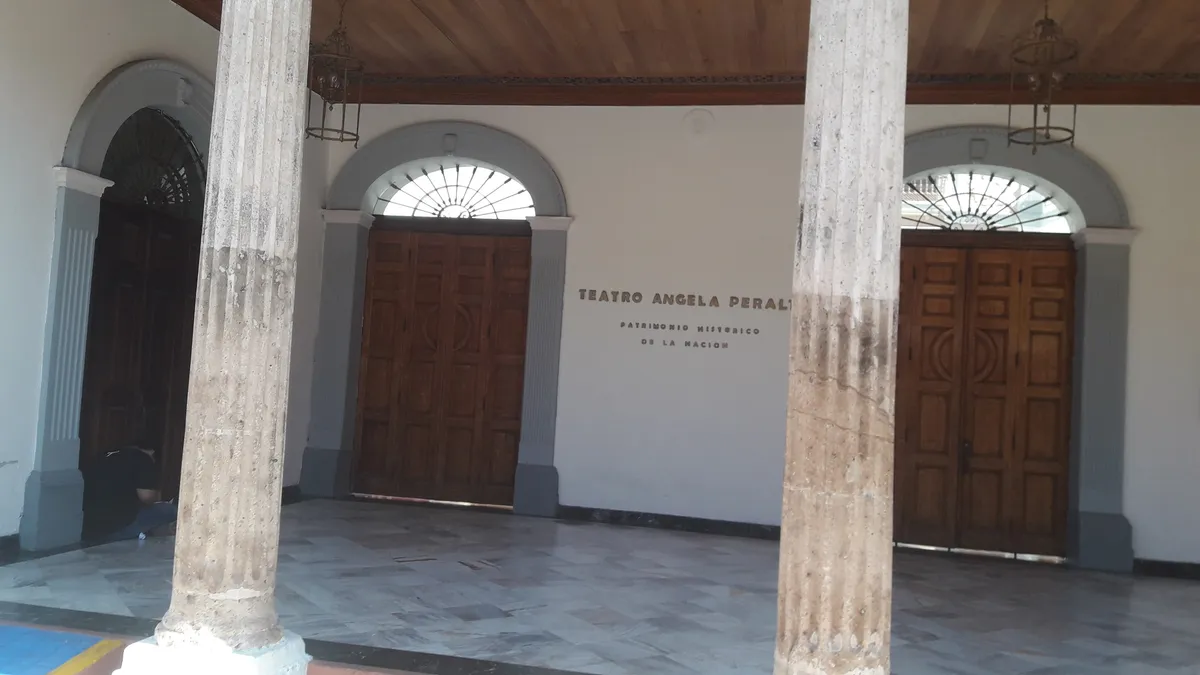
Teatro Ángela Peralta
A historic theater in Mazatlán's Centro Histórico, opened in 1874 as Teatro Rubio and declared a National Historical Monument in 1990. Restored between 1987 and 1992, it is now named for the soprano Ángela Peralta, who died in Mazatlán in 1883 before she could perform there.
Mazatlán