
A locality in the municipality of Concordia
Heroica Ciudad Concordia
The seat of the municipality of Concordia, founded in 1565 as Villa de San Sebastián and renamed Concordia in 1828. Recognized as a Pueblo Señorial, it is known for its colonial historic center and furniture-making tradition; it has used the "Heroica" distinction since a 2015 municipal council declaration.
Key facts
- Municipality
- Concordia
- Population
- 9,864 · 2020
- Occupied dwellings
- 2,687 · 2020
- Settlement type (INEGI)
- Urban
- Elevation
- 122 m
- INEGI code
- 250040001
Overview
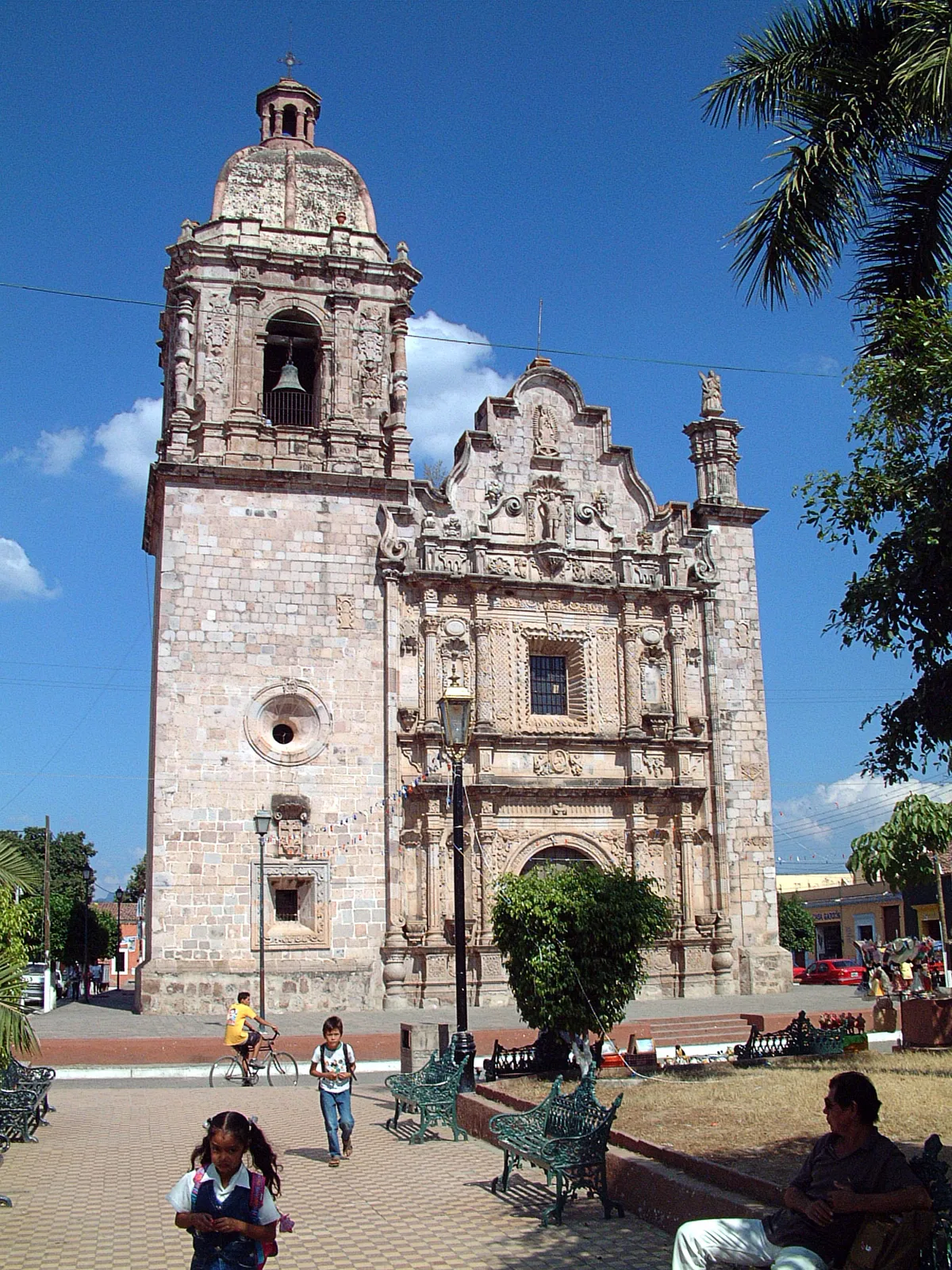
Heroica Ciudad Concordia sits in the foothills of the Sierra Madre Occidental, southeast of Mazatlán. It keeps a historic center of colonial architecture, with churches and cobblestone streets.
It is recognized by the Sinaloa state government as a Pueblo Señorial, and for more than a century of tradition in handcrafted wooden furniture-making, an activity that took hold from 1956 onward and has brought the town renown at home and abroad.
History
The locality began as the Villa de San Sebastián, founded in 1565 by Spanish captain Francisco de Ibarra. In 1828, based on Sinaloa's first political constitution, it took the name Concordia; a local tradition, not documented at the primary-source level, associates this with the reconciliation of two regional Masonic lodges.
Concordia's furniture-making tradition dates to approximately 1920 and became an established activity from 1956 onward, when the town was first recognized as a furniture destination at Sinaloa's state fair.
On 13 March 2015, the municipal council unanimously declared Concordia a "Heroica" city, a distinction recognized by the National Commission of Heroic Cities; this is not a decree of the state Congress.
Location and geography
Related topics
- Colonial history
- Tourism
- History
Sources and data
The figures on this page come from public sources. Each data point shows its year and origin.
- Heroica Ciudad Concordia — H. Ayuntamiento de Concordia, Sin. — Gobierno Municipal de Concordia
- "Declaran Heroica a ciudad de Concordia" — Noroeste
- Vive la historia de los muebles de Concordia. Aquí los detalles de la feria — Punto MX
- Pueblos Señoriales de Sinaloa — Gobierno del Estado de Sinaloa
- Censo de Población y Vivienda 2020 — Principales resultados por localidad (ITER), Sinaloa — Instituto Nacional de Estadística y Geografía